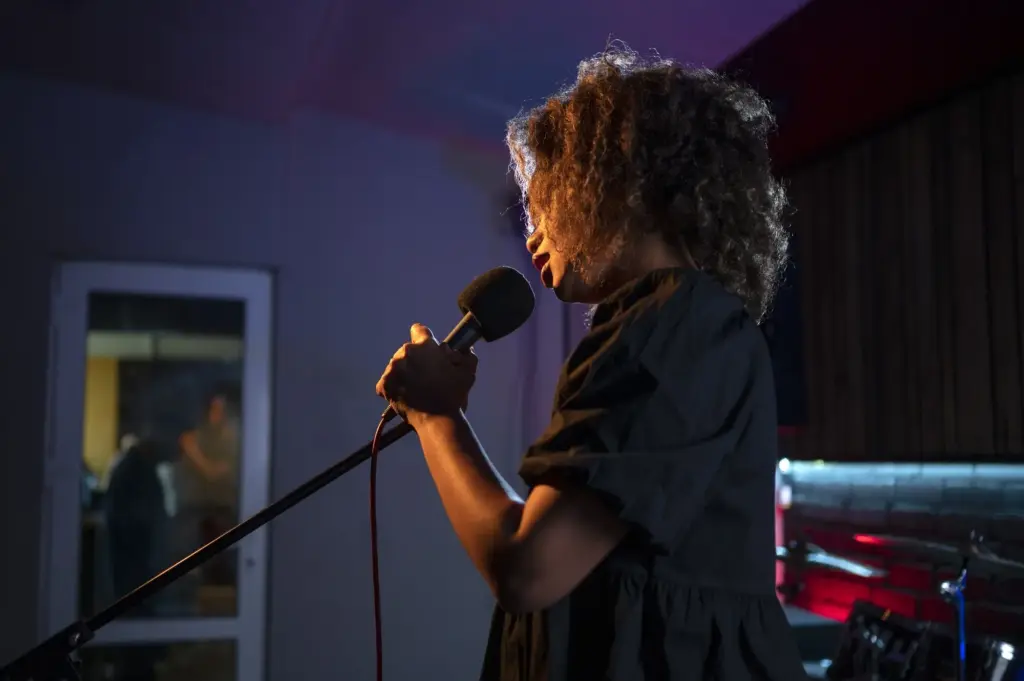
Use tools built for speed: WebRTC rooms for live talkback, in-ear monitoring with a clean return, and a dedicated signal for discreet coaching cues. Keep glass-to-glass delay under 300 milliseconds where possible. Your performance stays fluid while corrections slip in like gentle, precisely timed winds nudging a confident sailboat.
Adopt a light-touch vocabulary—single words for posture, gaze, pace, breath—delivered via short haptics, on-screen color dots, or quiet coach whispers. Rehearse the cue lexicon first, then add complexity. This shared shorthand preserves immersion, turning feedback into rhythmic nudges that refine timing without derailing emotional arcs or storyline coherence.

Coaching lands best inside trust. Set consent rules, praise specific wins before notes, and limit corrections per minute. Rotate between macro guidance and micro tuning, then celebrate visible improvements. The result is psychological safety that accelerates risk-taking, creativity, and repeatable excellence, instead of brittle perfectionism that freezes instincts under pressure.